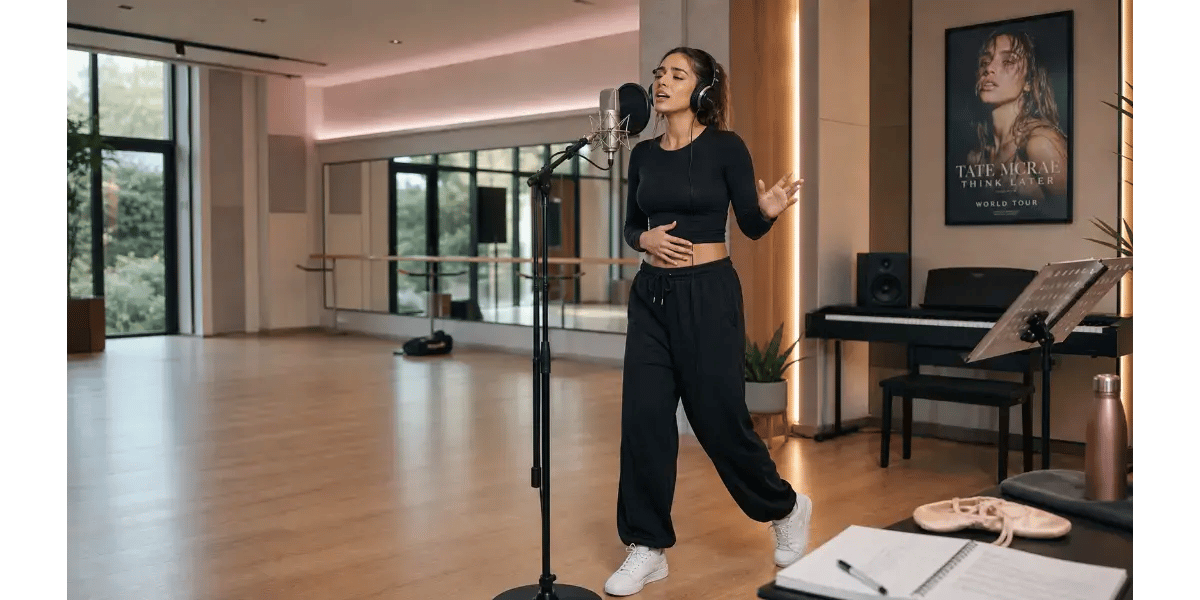


“Warmups” (vs Structured Exercises)
A common myth bouncing around is the idea that "all I need is a few warm-up exercises and my voice will work fine." While this might be true for a voice that is already functioning healthily, it can be a misleading approach for those facing vocal challenges. A few generic exercises are rarely enough to fix deep-seated vocal problems.
The Problem with Generic Warm-Ups
Commonly used warm-ups—such as singing “Mee, May, Mah, Moh, Moo,” “Bumblebee,” or lip buzzes—are often too generic to address a singer's specific needs. To repair and retrain muscles takes time and consistent, correct work. If warm-ups are not tailored to your specific vocal issues, they may not provide the "vocal medicine" you need and could potentially do more harm than good by reinforcing improper habits.
[Image of the human vocal folds and larynx]
Warming Up as Preparation
In a productive voice lesson, the beginning is dedicated to getting the muscles and mind ready, similar to an athlete stretching before lifting weights or running. For a singer with good muscle tone and function, this period is brief. They can quickly transition into exercises of increasing difficulty to get a full vocal "workout" using correct form to avoid injury.
The Goal of Structured Exercises
If vocal muscles are not functioning optimally, the initial "warming up" period may take longer. However, the goal remains the same: as soon as the muscles respond in a healthy manner, growth begins. Even the exercises used at the start of a session should be specifically designed by a teacher to address the growth needs of the individual student.
Conclusion: Balancing for Equilibrium
Ultimately, all exercises should be structured with the purpose of balancing the vocal muscles. When the muscles are in equilibrium, the voice is truly ready to go. Rather than relying on a one-size-fits-all routine, seek out exercises that specifically target your development to ensure your voice remains healthy, strong, and balanced.
``` --- I have formatted the post for clarity and added relevant anatomical image placeholders to guide the reader. Would you like me to generate a **comparison chart prompt** for the Nano Banana model that highlights the differences between "Maintenance Warm-ups" and "Corrective Exercises" for your students?