It’s a common misconception that people can’t learn how to sing – that the ability to sing is something you are just born with. The truth is, like learning a new language, anyone can develop the skills needed to learn to sing.
That’s not to say that everyone can or will be a great singer, but there are definite steps, tips and techniques that can change you from tone deaf into a good singer.
Learning perfect pitch, boosting your vocal range, knowing how to sing in tune, and practicing better breathing – all these are factors that can transform your singing voice.
We can’t promise these tips will have you winning American Idol or becoming a famous rock vocalist, but they can give you a foundation on which to build your singing ability. Take a look at our 10 steps to help you learn to sing.
-
Start by Breathing
Singing starts with breathing. The first thing you need to focus on when learning to sing is correct breathing. Taking deep breaths can help you get much more from your voice, and being able to control your breathing can help you to hit notes better, making songs easier to sing. Shallow breaths will lead to shallow singing, and will give you less control over your voice.
Breathing for singing should start down low in the belly. Practice taking deep breaths slowly while envisioning the air falling past your ribs and filling up your belly, and make sure you aren't tense in your shoulders and neck. Take breathing breaks frequently during the day to try to establish a habit of breathing deeply.
-
Learn to Relax
When it comes to singing, your body is your musical instrument. If your instrument is stiff and tense, you aren’t going to get the best sound. When it comes to improving your singing voice, you want to be active and ready but also relaxed and open.
By developing the right posture, practicing vocal exercises on a daily basis, and stretching those essential muscles out, you will help your body and your voice stay relaxed. Most people tend to keep their stress tucked away in their shoulders. Tension and stress in the neck and shoulders affect your throat which, in turn, affect your pitch, tone quality, and vocal range.
When you find tension, shake it off, stand up straight, take a deep belly breath and be aware of the relaxation you are looking for. This will enable you to let your singing voice flow.
-
Listen Carefully
If you think you are tone-deaf, the solution is to brush up on your ear training skills. Developing how you listen will undoubtedly make you a better singer. Few people have perfect pitch, but you can work to improve your sense of pitch and become more stable. It all starts with your ears, and being able to recognize when you are singing in tune and when you are not.
There are tons of resources online for ear training, learning to sing in tune, listening skills, and warm-up exercises to develop your singing voice. Whether you choose professional singing lessons or prefer using computer apps, video tutorials and informational articles, you can gather all the material you need to create the “careful listener” skill.
-
Find Your Range
Another tip to learn early on your journey of learning is to find and recognize your vocal range. Most singers can sing 1.5 – 2 octaves in their natural or chest voice , but not even professional singers can sing notes their body won't make!
Knowing your vocal range can help you to work out which easy songs will suit your voice and which will be difficult for your voice – all valuable information when trying to sing to the best of your ability.
Your chest voice is often in the same range as your speaking voice; whereas your head voice refers to the higher end of your range. Making sense of octaves and pitches can be tricky without prior musical knowledge or without working with a voice teacher.
You can find apps that can help you determine your vocal range. Virtual piano apps can aid you in figuring out your highest and your lowest notes. Record your scales in order to see a pattern emerge. From there, you can work out your vocal range; whether it be soprano, alto, tenor, baritone, or bass.
-
Develop Your Registration
Vocal registration skills help a singer navigate the full range of their voice using both chest and head voice. What is it: A register is the range of tones that you can produce from a particular vibratory pattern in your vocal folds (folds of tissue in the throat that are key to creating sounds through vocalization). While you don't need to know that in order to sing well, the basic principles of registration can be valuable in improving your ability to sing.
Basically, there are three types of registration: your chest voice, your head voice (sometimes referred to as your falsetto voice), and your middle or mixed voice. Your mixed voice is key to singing because that is where the best quality sound is produced. Beginning singers, lacking control over their head and chest voices, can have difficulty producing their mixed voice. A singer’s physical make-up and the songs they choose to sing also affect their ability to find their mixed voice.
As you become more in-tune with your head and chest voices and where they break, you will be able to find your middle voice more easily. Additionally, each person needs to adjust and fine-tune their middle voice depending upon their physical make-up and depending on the demands of the music they are singing. Much of this happens through practice and trial and error; however, a vocal coach can lead you more quickly and with less difficulty along that path.
-
Know Your Exercises
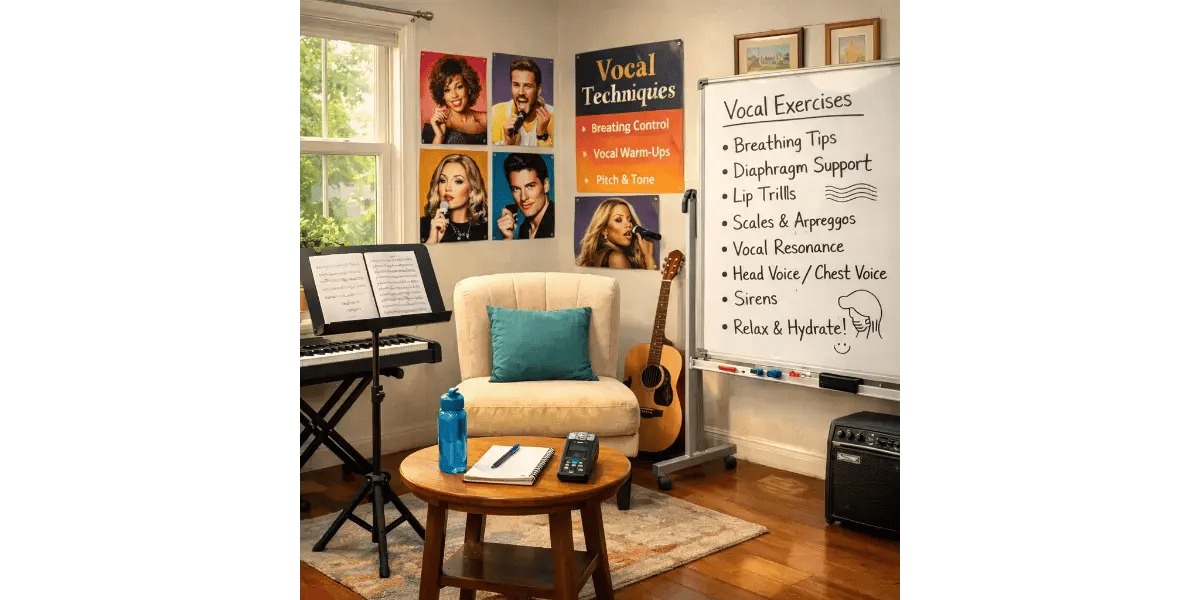
Vocal exercises are your Tool Number One when it comes to learning how to sing. If you want to truly develop your voice, you will need to keep expanding your repertoire and improving your posture, as well as practicing good breathing and enunciation techniques.
Vocal exercises will help you to gently warm up your voice and will stretch out the jaw and throat muscles. They also teach you new ways to think about using your voice. For instance, you could practice singing your vowels while keeping the back of your mouth and throat as open as possible, perhaps helping with pitch, tone and even clear diction.
-
Record Yourself Singing
The thought may make you cringe, especially in the early days of trying to learn to sing, but recording yourself is one of the best tips for being able to analyze your sound and progress. The best way is to record yourself singing an easy to sing song that you know well.
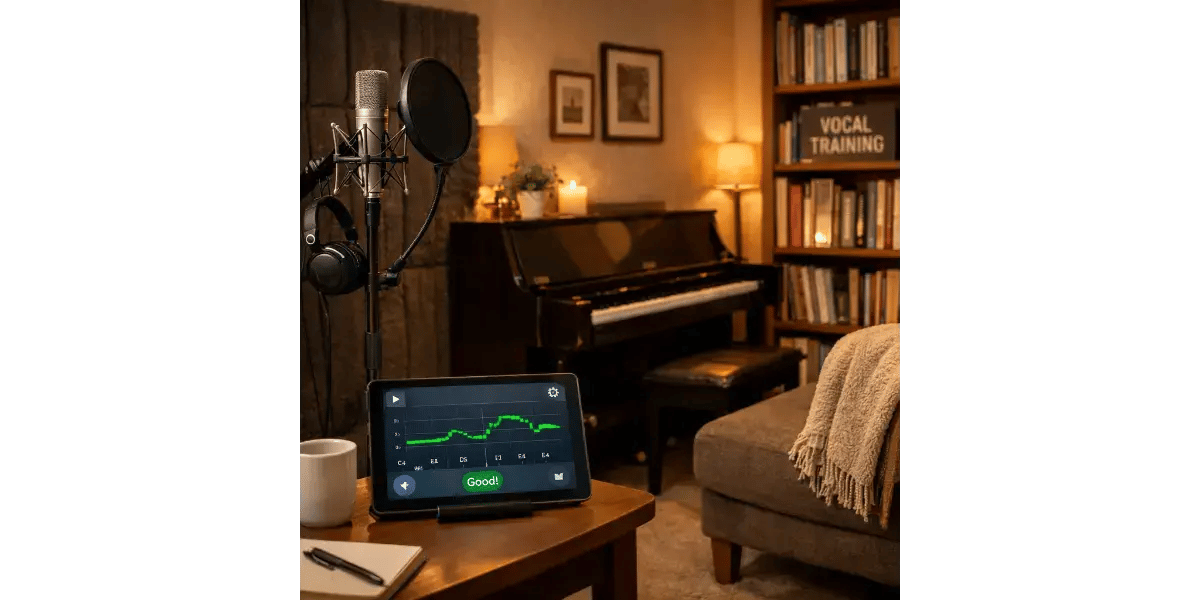
Use your phone or a computer app to record yourself singing. Then play the recording back and analyze every sound. Is your voice flat or is it in tune? Did you hit a wrong note? Is your voice strong or weak? Write everything down and then note the areas which you need to work on. If you notice your notes are becoming flat as you sing the higher notes, then you know what you need to practice.
Record yourself singing the same song over a several days so you are able to pinpoint where you are improving and where you are still struggling.
-
Practice Often
The only way to improve at anything is to practice repeatedly. If you make the effort to practice singing everyday, even if it’s in the shower or driving to work, you will be building the muscles around your vocal folds, adding to your growing repertoire of songs, getting comfortable with your voice, and generally improving your overall skill set.
Whenever practicing, you should still be sure to warm up properly and to use correct posture and breathing techniques. The more you practice, the better you will get.
-
Try taking voice lessons
If your singing ability isn’t growing as much or as fast as you would like, it might be time to consider checking out a voice teacher. A good one can work wonders and put you on the right path from the very start.
Working with a voice teacher or vocal coach will also help you to set a good schedule for progress and to work towards predefined goals. If you are serious about becoming a professional singer, or if you simply want to get the most out of learning a new skill, picking the right singing teacher is a paramount part of the process.
It is important to find the right voice teacher for you. Whether you research independently or ask others for recommendations, try and find someone who makes you feel comfortable, who is knowledgeable about vocal health, and who incorporates a style of teaching you respect.
-
Embrace Good Habits
Finally, once you are on track with all the basic points above, it is essential that you embrace good self-care habits. From drinking enough water to keep your throat hydrated, avoiding shouting and smoking, and getting enough sleep, good habits keep your voice primed and ready for action.
It’s not just health factors we refer to when talking about good vocal habits. Mumbling words, not vocalizing sounds correctly, and slurring notes are all bad habits that need to be broken. Some of these changes you may be able to conquer yourself, whereas others will blossom under the right guidance.
While anyone can learn to sing, not everyone will end up center stage at the MTV or Grammy awards. Singing is its own reward for many of us because it makes us feel better: We are breathing deeply, engaging in songs we love, sharing with others and expressing our humanity is a healthy way. So no matter your goals, with enough knowledge, practice, and patience you can start putting the wheels in motion to become a better singer.



.webp)

.webp)