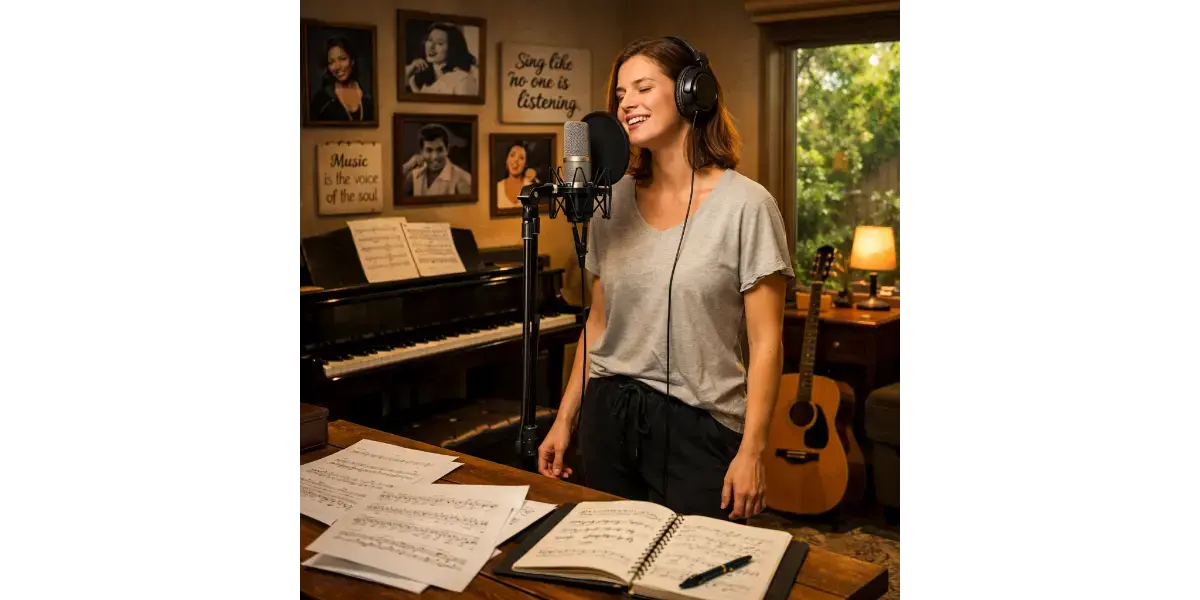
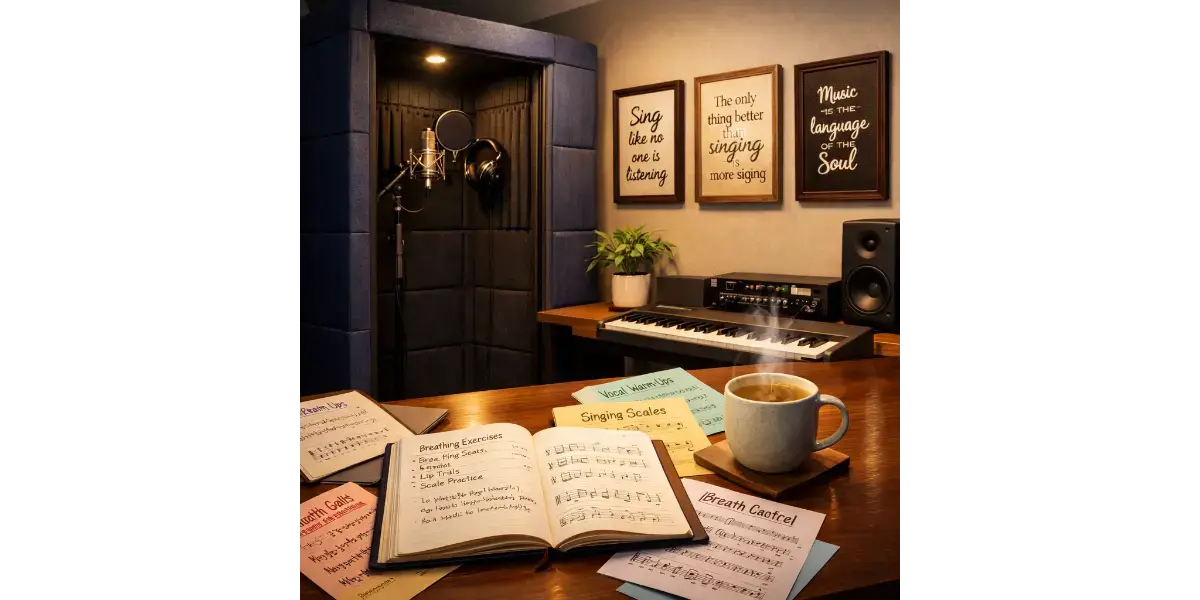
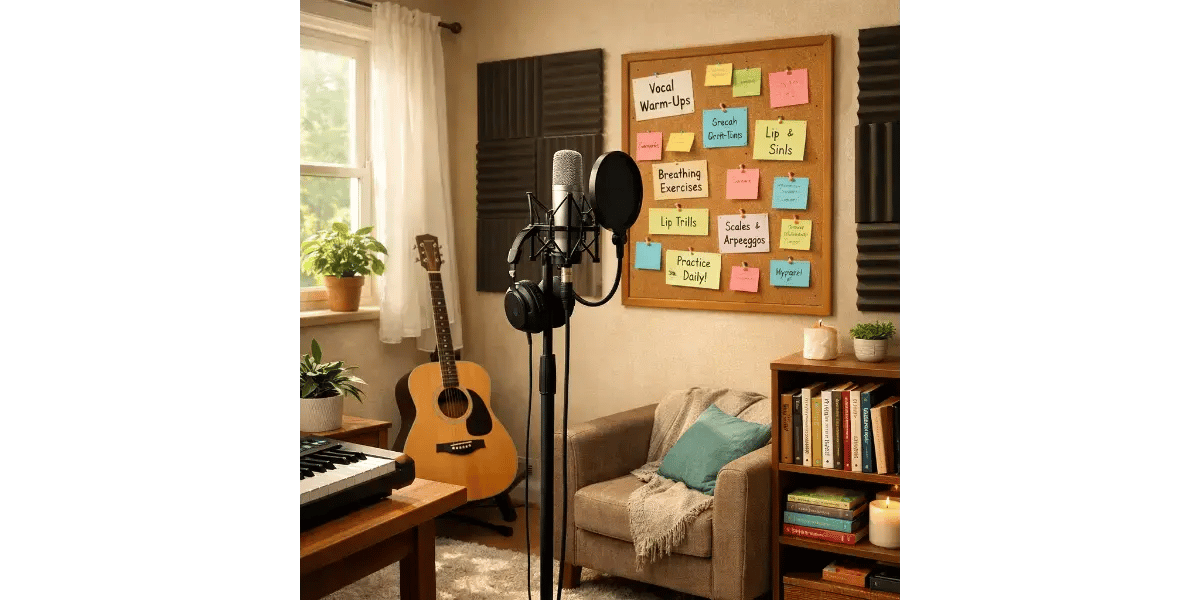
What Do Voice Lessons Do? How Vocal Training Can Transform Your Singing
Have you ever listened to your favorite singer belt out a high note and thought, "I could never do that"? It’s a common feeling. We tend to view singing as a magical gift bestowed upon a lucky few at birth. You either have "it," or you don't. But here is the truth that might change your perspective entirely: your voice is an instrument, just like a piano or a guitar. And just like any instrument, it can be tuned, strengthened, and mastered.
Most people don’t realize that the breathtaking sounds and perfect pitch they admire on the radio are rarely accidental. They are the result of understanding how the vocal mechanism works. Whether you are a shower singer dreaming of an open mic night or a parent looking to help your child find a creative outlet, you might be asking: what do voice lessons do, exactly? Do they just teach you songs, or is there more to it?
The short answer is that voice lessons build the "toolbox" you need to use your voice safely and effectively. They bridge the gap between where your voice is now and where you want it to be. From learning how to breathe without running out of air to gaining the confidence to stand in front of a crowd, vocal training offers benefits that extend far beyond just hitting the right notes. Let's explore how lessons can transform your voice, and perhaps even your life.
They Build a Foundation of Healthy Breathing
If you have ever felt lightheaded after holding a long note or felt like your voice was "thin" and wavering, the culprit is usually your breath. Breathing for singing is very different from the way we breathe when we are sleeping or watching TV.
How does vocal breathing work?
In our daily lives, our breathing is often shallow, staying mostly in the upper chest. In a voice lesson, you learn diaphragmatic breathing. This involves engaging the diaphragm, a dome-shaped muscle at the base of your lungs, to control the airflow.
A voice teacher helps you retrain your body to take low, expansive breaths. Imagine filling a balloon inside your stomach; that is the sensation you aim for. This technique provides the "fuel" for your voice. When you master breath support, you gain the ability to:
- Sustain long phrases without gasping.
- Project your voice across a room without yelling.
- Maintain a steady, unwavering tone.
For additional practice, explore these breathing exercises for singing.
They Expand Your Range and Smooth Your Tone
One of the most common reasons people seek out lessons is to hit higher notes. Everyone is born with a specific vocal range, but very few of us actually use all of it. Often, we are limited by tension or poor technique that locks up our higher register.
What is the "break" in your voice?
You might notice a clunky shift or a crack when you try to move from a low, chesty voice to a high, lighter voice. This is often called the "break" or the "passaggio." One of the primary goals of voice lessons is to smooth out this transition.
Through specific vocal exercises, like lip trills or sirens, a teacher guides you to mix your registers. This creates a seamless sound from the bottom of your range to the top. Instead of straining and shouting to hit high notes, which can damage your voice, you learn to navigate them with ease and lightness. Suddenly, songs that felt impossible become part of your repertoire.
If you want to work on your range safely, explore these tips for singing higher notes without straining.
They Protect Your Vocal Health
Perhaps the most critical answer to "what do voice lessons do" is this: they keep you safe. Your vocal cords are delicate soft tissue. If you sing with too much tension, or if you try to force sound by tightening your throat, you risk developing nodules, polyps, or chronic hoarseness.
A qualified voice teacher acts as a mechanic for your voice. They can hear tension that you might not even feel. They correct bad habits, such as:
- Jutting your jaw forward.
- Raising your shoulders when you breathe.
- Singing with a "squeezed" throat.
By learning proper placement, where the sound resonates in your head and face rather than grinding in your throat, you ensure that you can sing for the rest of your life. This is why even famous, touring professionals still take lessons; they need to maintain their vocal health to survive the demands of performing every night.
They Boost Confidence and Mental Well-being
The benefits of voice lessons aren't just physical. There is a profound psychological component to using your voice. For many, the idea of singing in front of someone else is terrifying. It requires vulnerability.
How does singing affect the brain?
Singing releases endorphins and oxytocin, which are known to alleviate anxiety and stress. But beyond the chemical reaction, the process of taking lessons builds resilience. In a lesson, you are in a safe space to make weird noises, crack on a high note, and try again.
As you hear your voice improve, your self-confidence grows. This newfound confidence often spills over into other areas of life. Students often report feeling more comfortable with public speaking, presenting at work, or simply speaking up in social situations. You aren't just finding your singing voice; you are finding your voice, period.
Benefits of Voice Lessons by Age Group
Voice training is not one-size-fits-all. The focus of the lessons shifts depending on the student's stage of life. Whether you are 5 or 85, there is something valuable to be gained.
For Children (Ages 4-12)
For young singers, lessons are about discovery and fun. The goal isn't to turn them into opera stars overnight, but to instill a love for music.
- Ear Training: Kids learn to match pitch and understand rhythm.
- Expression: It provides a healthy outlet for energy and emotion.
- Focus: Learning lyrics and melodies improves memory and concentration.
For Teens (Ages 13-19)
The teenage years are a volatile time for the voice. As bodies change, so do vocal cords (especially for boys, but girls experience shifts too).
- Navigating Change: A teacher helps teens adjust to their "new" voice without strain.
- Audition Prep: For teens interested in school musicals or choir, lessons provide the polish needed to land roles.
- Identity: Music becomes a way for teens to express their developing identity and emotions.
For Adults (Ages 20-59)
Many adults think it’s "too late" to start. That is a myth. The muscles may need some waking up, but adults often make the fastest progress because they have the discipline to practice.
- Stress Relief: A lesson is a dedicated hour to disconnect from work and family pressures.
- Skill Acquisition: It satisfies the desire for personal growth and mastering a new skill.
- Community: Joining a choir or a studio connects you with other music lovers.
For Seniors (Ages 60+)
Singing is a "use it or lose it" skill. As we age, our muscles (including vocal muscles) can atrophy.
- Physical Health: Singing keeps the lungs strong and improves oxygenation.
- Cognitive Sharpness: Learning new music keeps the brain active and engaged.
- Social Connection: It combats isolation and keeps the spirit young.
What Does a Typical Lesson Look Like?
If you’ve never stepped foot in a studio (or logged into an online lesson), the process can seem mysterious. While every teacher has their own style, a standard lesson usually follows a structure designed to warm you up and then work you out.
- The Warm-up: Just like an athlete stretches before a race, a singer must warm up the vocal cords. You might hum, do lip trills (blowing air through loose lips), or sing simple scales. This gets the blood flowing to the area and prepares the mind for work.
- Technical Exercises: This is the gym portion of the lesson. You focus on specific skills. If you are struggling with breath, you might do exercises lying on the floor. If you are working on agility, you might sing fast, skipping scales. This is where the real "building" happens.
- Repertoire (Songs): This is the reward! You apply the techniques you learned to a song you love. Your teacher will help you phrase the lyrics, navigate the tricky notes, and add emotion to the performance.
For more guidance on preparing your voice, explore these vocal warm-up exercises.
Thanks to modern technology, this doesn't have to happen in a stuffy room. Platforms like VoiceLessons.com have revolutionized the experience with lag-free technology, allowing you to connect with top-tier teachers globally. You can now get real-time feedback on your pitch and tone from the comfort of your living room, without the audio delays that used to make online music lessons frustrating.
Start Your Vocal Journey Today
So, what do voice lessons do? They unlock the potential that is already sitting right inside you. They turn "I wish I could sing" into "I can sing." They give you the tools to express yourself without fear, pain, or limitation.
A beautiful voice isn't a magical gift reserved for the chosen few. It is built, brick by brick, with breath, practice, and guidance. Whether you want to sing professionally or just want to sound better in the car, the journey starts with a single step.
Don’t let your voice stay hidden. Experience the difference expert guidance can make. Sign up for a free trial voice lesson at VoiceLessons.com today and discover what your voice is truly capable of.