Booking your first online singing lesson is a big step. You have decided to invest in yourself and explore your voice. Now that your session is on the calendar, you might feel excited, nervous, or a mix of both.
It is normal to wonder: Will my internet connection be strong enough? How should I warm up? What will the teacher ask me to do?
The good news is that your instrument is already with you. You just need to learn how to use it effectively. This guide will walk you through preparing for your first virtual lesson, covering tech setup, vocal and body warm-ups, and what to expect during your session. By the end, you will feel confident and ready to make the most of your first online singing experience.
Step 1: Set Up Your Tech for Success
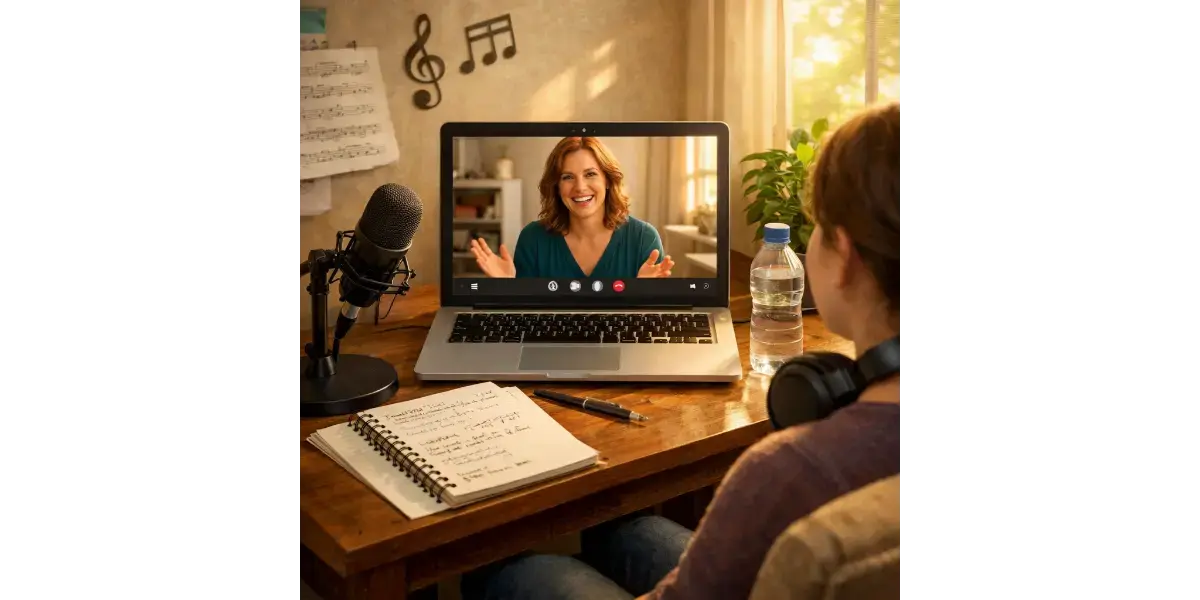
A smooth technical setup is the foundation of a productive online singing lesson. When you are not worried about glitches, you can focus entirely on your voice and the guidance from your teacher.
Internet Connection Tips
- Use a wired connection if possible: Connect your computer directly to your router with an Ethernet cable. This is more stable than Wi-Fi.
- Check your speed: Use free tools like Speedtest.net. Aim for a minimum of 5 Mbps upload and 15 Mbps download for smooth video.
- Reduce bandwidth usage: Ask others in your household to limit high-traffic activities during your lesson.
- Close unnecessary applications: Free up your device’s resources for video and audio.
Camera Setup
- Device choice: A laptop or desktop is best. Phones or tablets can work, but a larger screen helps you see your teacher.
- Positioning: Place the camera at eye level, about an arm's length away. Frame yourself from the waist up so the teacher can observe posture and breathing.
- Lighting: Face a window or lamp. Avoid backlighting, which can make you appear in shadow.
Audio Setup
- External microphone: A USB mic improves sound quality. Even an affordable podcasting mic is better than a built-in microphone.
- Headphones: Prevent echo by using headphones or earbuds. Over-ear headphones provide extra isolation.
- Check platform settings: Many video platforms have a "turn on original sound" option. Disable noise suppression that might interfere with your singing.
Mini Win: Testing tech in advance avoids stress and allows you to focus on singing.
Step 2: Prepare Your Body and Voice
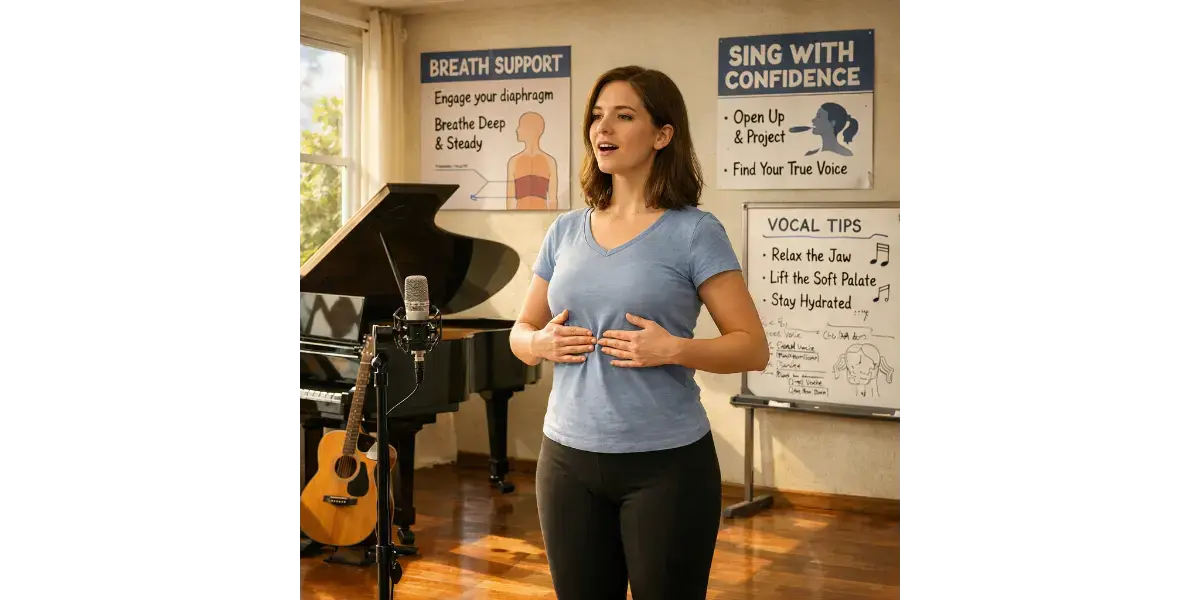
Singing is a full-body activity. Preparing physically and vocally ensures you perform at your best and avoid strain.
Physical Warm-Ups
- Shoulder Rolls: Roll shoulders forward and back 5–10 times to release tension.
- Neck Stretches: Tilt head gently toward each shoulder, holding 15–20 seconds. Avoid forcing the stretch.
- Jaw Release: Open wide as if yawning, then gently close. Massage the jaw muscles near the ears.
Vocal Warm-Ups
- Lip Trills: Loosely close lips and blow air through them while making a steady tone. Move up and down in pitch.
- Humming: Hum a comfortable pitch or simple scale. Feel vibration in your lips and face.
- Sirens and Slides: Glide from low to high notes on an "oo" or "ee" vowel to connect your chest and head voice smoothly.
Hydration and Health
- Drink water: Sip throughout the day and keep water nearby during the lesson.
- Avoid irritants: Skip caffeine, alcohol, and overly spicy or acidic foods that may dry out your vocal cords.
Mini Win: Feeling relaxed, ready, and resonant shows that your warm-up is effective.
Step 3: Prepare Your Mindset
Your attitude plays a big role in your lesson. Approaching the session with a positive mindset will make it more productive and enjoyable.
Mindset Tips:
- Set an intention: Decide what you want to achieve. Examples include improving breath control, singing higher notes, or gaining confidence.
- Embrace being a beginner: Mistakes are part of learning. Your teacher is there to guide, not judge.
- Be open to feedback: Listen carefully and ask questions if something is unclear.
- Trust the process: Learning takes time. Celebrate small victories and practice patience.
Mini Win: Focusing on learning instead of performance pressure increases engagement and confidence.
Step 4: What to Expect in Your First Lesson
Understanding the structure of your first lesson helps reduce anxiety and ensures you are prepared.
Typical First Lesson Flow:
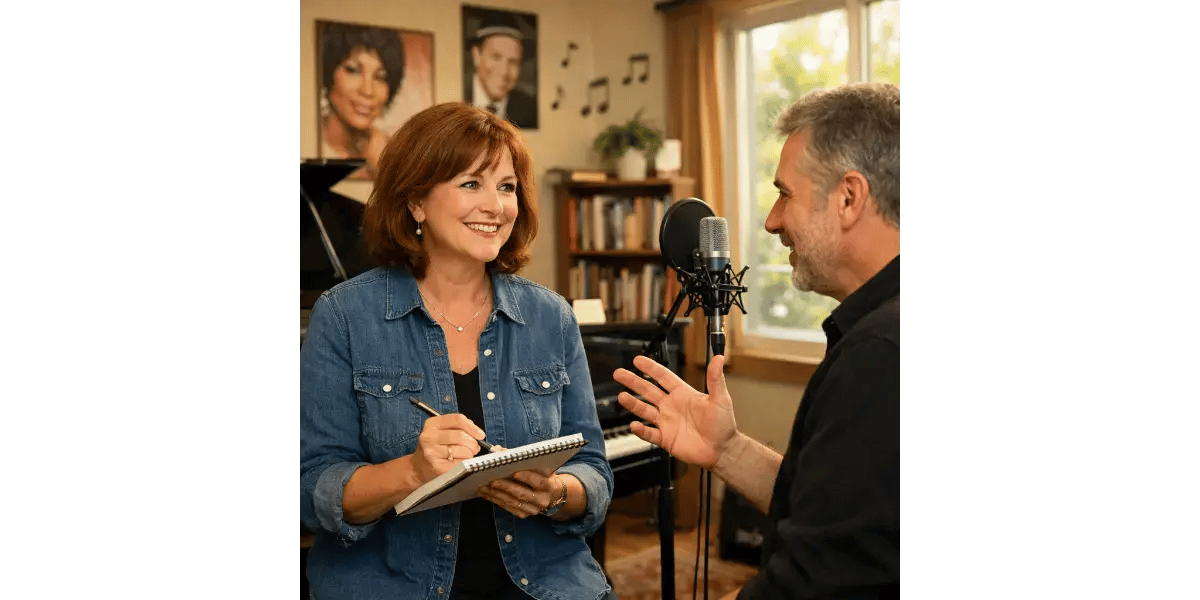
- Conversation: The teacher will ask about your experience, musical preferences, and goals. Share what you hope to achieve.
- Vocal Assessment: Expect gentle exercises to evaluate your vocal range, pitch, tone, and breathing habits. This is not a test.
- Song Practice: You may sing a short, simple song. Familiar songs like "Happy Birthday" help the teacher understand your voice.
- Feedback and Plan: The teacher will provide initial guidance and suggest a practice plan for your next lesson.
Mini Win: Knowing what to expect helps you focus on learning instead of worrying.
Quick Reference Table: First Virtual Singing Lesson Preparation
|
Step
|
Focus
|
Quick Tip
|
Duration
|
|
Tech Setup
|
Clear audio and video
|
Test connection, microphone, camera
|
10–15 min
|
|
Physical Warm-Up
|
Relax body
|
Shoulder rolls, neck stretches, jaw release
|
5–10 min
|
|
Vocal Warm-Up
|
Wake up voice
|
Lip trills, humming, sirens
|
10–15 min
|
|
Mindset
|
Positive learning
|
Set intention, visualize success
|
5 min
|
|
Lesson Flow
|
Know what to expect
|
Conversation, assessment, song, feedback
|
30–60 min
|
FAQs for First-Time Virtual Singing Lessons
Q1: How long should I warm up before my lesson?
A1: About 10–15 minutes is sufficient to prepare your voice.
Q2: Do I need a fancy microphone for my first lesson?
A2: No. A simple USB mic is enough, though it improves clarity.
Q3: What if I feel nervous during the lesson?
A3: Take deep breaths, remember the teacher is on your side, and focus on learning.
Q4: How often should I take online singing lessons?
A4: Weekly lessons are ideal for consistent progress, combined with daily short practice sessions.
Take the First Step in Your Vocal Journey
Preparing for your first online singing lesson ensures a productive and positive experience. By taking care of technology, warming up your body and voice, and adopting a growth mindset, you create an environment for real progress.
Your teacher is your partner in this journey, and they are excited to help you unlock your vocal potential. Every voice is unique. The art of singing is learning to use it well.
Sign up for a free trial virtual singing lesson today and discover the joy of singing with guidance from expert instructors.