Kids Singing Lessons: Voice Lessons and Singing Classes for Young Singers
Many children love performing. Kids singing lessons, voice lessons, and singing classes give young singers a structured, supportive way to explore music while building confidence, healthy vocal skills, and musical expression.
Whether your child enjoys singing around the house, on stage, or in school programs, kids’ singing lessons can nurture talent and improve focus, posture, and vocal technique. Voice lessons, including private voice lessons and private lessons, help children develop ear training, read music, and expand their musical repertoire.
Parents often ask: When should my child start? How do I choose a qualified voice teacher? What should lessons include? How can I support my child at home? This guide answers these questions and helps your child succeed in singing lessons while incorporating proven teaching methods for young singers.
Benefits of Kids’ Singing Lessons and Vocal Lessons
Nurture Musical Talent with Singing Lessons for Kids
- Early singing lessons and vocal lessons introduce proper technique and healthy vocal habits.
- Build a love for music and musical expression by teaching children the basics of melody, rhythm, and vocal technique.
- Encourage both private lessons and group singing classes to develop vocal skills and social confidence.
- Support skill development with age-appropriate songs and repertoire tailored to younger students.
- Teach prepubertal voices using methods suitable for teaching children, ensuring healthy vocal development.
Build Confidence and Self-Esteem Through Voice Lessons
- Individual attention from a qualified voice teacher boosts confidence and helps young singers communicate effectively.
- Children learn to project their voice, maintain good posture, and use correct breathing techniques.
- Group singing classes and performances reduce performance anxiety and build social skills by connecting with other children.
Support Brain Development and Listening Skills with Ear Training
- Singing lessons improve memory, attention, coordination, and problem-solving skills, which benefit other aspects of learning.
- Develop listening, pitch, and musical expression through ear training and practice.
- Ear training, rhythm practice, and playing an instrument like piano support overall musicianship and enhance vocal ability.
Encourage Social Connection and Performing in Singing Classes
- Group singing classes help children connect with other children and build teamwork skills.
- Choirs and ensemble activities enhance collaboration, communication, and stage presence.
- Performing builds stage confidence and social skills, inspiring young musicians to grow.
- Fun, engaging activities like call-and-response and karaoke improve singing skills at home and encourage consistent practice.
Understanding the Child’s Voice in Vocal Lessons
Children’s voices function differently from adults. Singing lessons for kids focus on safe, effective training that respects their vocal development.
Children generally:
- Have smaller lungs and take smaller breaths, requiring teaching methods that emphasize diaphragmatic breathing and posture.
- Produce less volume than adult singers and have a more limited vocal range.
- Tire more easily when singing, so lessons and practice sessions should be age-appropriate.
Lessons focus on:
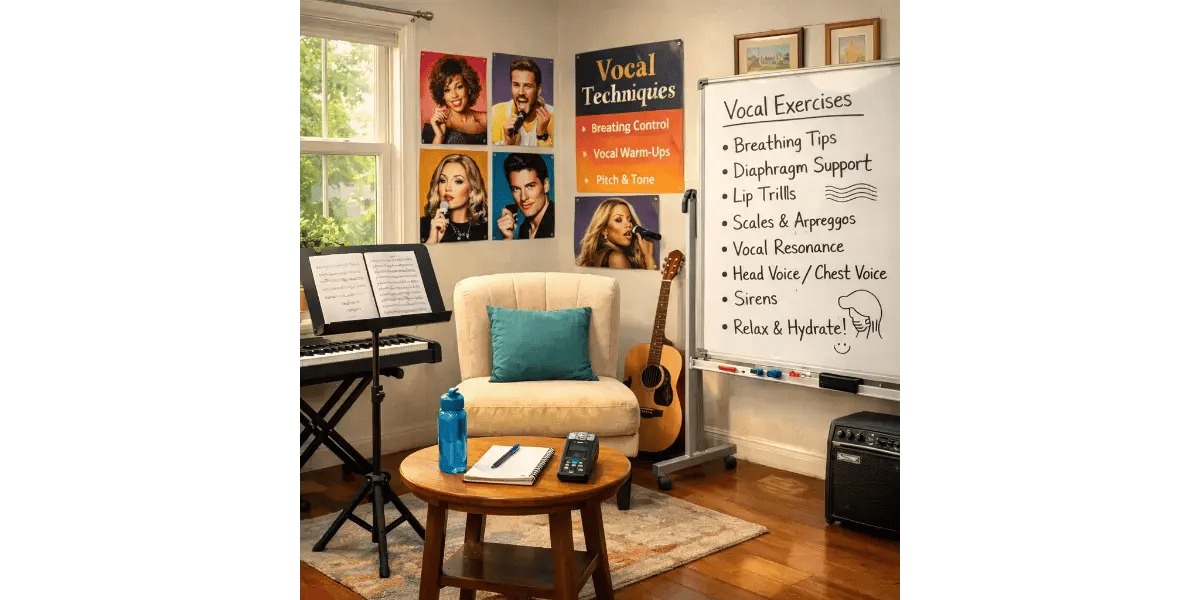
- Posture and diaphragmatic (belly) breathing to support healthy vocal production.
- Pitch matching and intonation through ear training and warm ups.
- Vocal exercises and musical expression to build confidence and skill.
- Reading music and playing instruments such as piano to enhance musical understanding.
A skilled voice teacher:
- Understands prepubertal voices and adapts techniques for younger students.
- Uses positive reinforcement and age-appropriate teaching methods to prevent bad habits.
- Plans lessons that evolve with natural vocal changes and support success.
- Builds confidence, focus, and social skills while fostering fun and engagement.
When to Start Singing Lessons and Voice Lessons for Kids
Children as young as 4 can begin learning musical concepts, but formal singing lessons may be better suited for slightly older children. Focus is key: students need to concentrate for 20–30 minutes on activities such as:
- Pitch-matching games that develop listening and vocal skills.
- Breathing exercises like blowing bubbles, deep 'ha' sounds, and musical sighs to strengthen breath control.
- Fun, interactive exercises for ear training and vocal technique that engage young learners.
Short, consistent practice sessions of 5–10 minutes are recommended to develop vocal skills effectively. Early lessons help children establish healthy vocal habits and transition more easily through puberty, supporting their ability to communicate and perform confidently.
Types of Singing Lessons for Kids: Private Voice Lessons and Group Singing Classes
Private Voice Lessons for Focused Vocal Development
- One-on-one guidance tailored to each child’s abilities and interests.
- Improves vocal skills, ear training, pitch, and musical expression with focused attention.
- Ideal for younger students or those seeking to develop specific vocal techniques.
Group Singing Classes for Social and Musical Growth
- Collaborative learning environment for young singers to build teamwork and confidence.
- Develops listening skills, warm ups, singing with others, and reading music.
- Often recommended for young children before starting private lessons to foster social connection.
Genre-Specific and Ensemble Singing Lessons
- Musical theater, pop, rock, and choir programs help children explore different musical styles.
- Encourages ensemble performance, collaboration, and stage presence.
- Provides opportunities to learn from other musicians and perform on stage.
Singing Lesson Programs for Kids with Performance Opportunities
- Programs like School of Rock combine private voice lessons and group rehearsals focused on fundamentals such as breathing, posture, diction, intonation, and musical expression.
- Incorporate performance opportunities to build stage confidence and practical experience.
- Lessons include ear training, reading music, and repertoire building to develop well-rounded musicianship.
- Many programs offer additional activities and performances, which may affect cost.
- Online singing lessons provide flexible options for younger students and teens.
- The book 'Singing Lessons for Little Singers' offers structured exercises and lesson plans designed to teach voice lessons effectively to children.
Finding the Right Voice Teacher for Singing Lessons
Qualifications and Experience of Vocal Teachers
- Look for instructors trained in music and experienced in teaching children and young singers.
- Effective vocal teachers understand prepubertal voices and use positive reinforcement to support learning.
- Ask for references and a clear description of teaching methods to ensure a good fit.
Teaching Approach in Kids Singing Lessons
- Lessons should be fun, age-appropriate, and focus on ear training, warm ups, and healthy vocal habits.
- Avoid harsh instruction that could cause bad habits or reduce confidence.
Learning Environment for Voice Lessons
- Structured yet relaxed lessons foster confidence and engagement.
- Group classes offer social learning, performance experience, and teamwork.
- Home activities like call-and-response and karaoke help children practice singing in an enjoyable way.
Vocal Health Tips in Vocal Lessons for Kids
Maintaining hydration is essential for vocal cord health. Children often do not notice when they strain their voices. Screaming, excessive talking, or harsh vocal imitation can cause fatigue or injury.
Tips for Healthy Vocal Habits:
For more detailed advice on taking care of your singing voice, check out these practical steps to improve your singing voice by caring for it.
- Drink plenty of water throughout the day.
- Reduce shouting by managing environmental noise.
- Model moderate vocal use at home.
- Encourage rest periods and gentle exercises.
Helping Your Child Succeed in Singing Lessons and Voice Lessons
Encourage Consistent Practice of Vocal Skills
- Short daily practice of 5–10 minutes reinforces vocal technique and skills.
- Include exercises for pitch, breathing, warm ups, and ear training.
- Follow the voice teacher’s guidance for at-home activities to support learning.
Stay Positive and Supportive
- Praise effort and progress to motivate your child.
- Let the teacher handle technical corrections to avoid confusion.
- Provide encouragement, pride, and emotional support to build confidence.
Create a Healthy Home Environment for Vocal Development
- Encourage hydration and balanced nutrition to support vocal health.
- Reduce exposure to smoke or irritants.
- Support proper breathing habits to avoid over-inhaling during singing.
- Make practice and singing fun, engaging, and pressure-free.
Final Thoughts on Kids Singing Lessons and Voice Lessons
Kids’ singing lessons are about growth, confidence, skill-building, and joy. Lessons develop vocal skills, ear training, musical expression, and life-long confidence. By practicing, participating in lessons, and performing, children become inspired young singers, build social skills, and develop a love for music that can enrich their lives for years to come in a world where their ability to communicate and express themselves matters.




.webp)