Singing Storytelling Techniques Explained
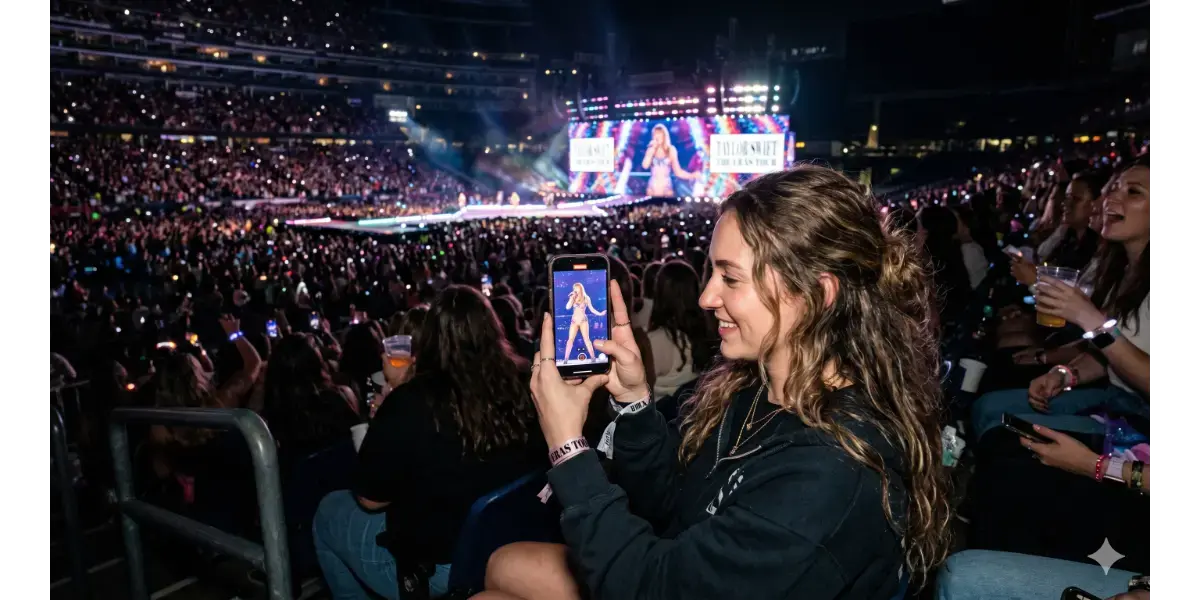
Have you ever wondered why a specific live performance can leave an entire arena breathless, or why a simple acoustic track can make you feel like you are reading someone’s private diary?
Great singing isn't just about flawless pitch or an impressive vocal range. It is about storytelling. Vocal artists use a highly sophisticated toolkit of physical, emotional, and rhythmic techniques to transform a standard lyric into a vivid, living narrative.
1. The Core Vocal Toolkit
When a singer approaches a lyric, they act much like an actor interpreting a script. The human voice is incredibly malleable, and micro-adjustments in execution can entirely alter the emotional subtext of a line.
Dynamic Range & Texture
- The Breath Voice: Intentionally letting excess air pass through the vocal cords (phrasing with a "breathy" quality) signals vulnerability, secrecy, or exhaustion. It pulls the listener in, creating a sonic illusion of proximity—as if the singer is whispering directly into your ear.
- Vocal Breaks & Fry: Allowing the voice to crack slightly under emotional weight, or dropping into vocal fry (the low, raspy creaking sound at the bottom of a vocal register), adds raw realism. It suggests that the character in the song is too overwhelmed to maintain perfect technical form.
Micro-Phrasing & Timing
- Rubato: This is the deliberate pulling and pushing of tempo. By singing just behind or slightly ahead of the instrumental beat, a vocalist mimics natural human speech patterns.
- The Power of the Pause: Often, the most powerful moments in musical storytelling happen in the silence between lines. A sudden conversational pause can mimic a hesitation of thought or a sharp intake of grief.
2. Case Study: The Narrative Mastery of Taylor Swift
To understand these techniques in action, we can look to one of the most prominent contemporary masters of the craft: Taylor Swift.
Swift’s career serves as a masterclass in how vocal delivery dictates narrative perspective. Across her discography, her singing style adapts to match the precise age, emotional maturity, and stakes of the story she is telling.
From Confessional to Cinematic
In her early country and pop eras, Swift relied heavily on rapid-fire lyric delivery and conversational rhythmic choices to capture youthful, urgent emotion. However, her approach shifted dramatically with her companion acoustic albums, folklore and evermore.
On these projects, she adopted a lower, warmer register, utilizing a close-mic recording technique. This structural shift meant that every subtle mouth movement, heavy sigh, and soft vocal tone was captured with absolute clarity, transforming her from a stadium pop star into an intimate, omniscient narrator.
| Technique Category |
Specific Method |
Narrative Impact |
Example Scenario |
| Vocal Register |
Shifting from chest voice to delicate head voice |
Conveys a sudden shift from outward confidence to inner vulnerability. |
A character putting up a brave front before admitting their loneliness. |
| Consonant Enunciation |
Hardening plosives (T, P, B sounds) |
Injects underlying anger, resentment, or bitter finality into the lyrics. |
A tense confrontation or a bitter goodbye scene in a story. |
| Vibrato Manipulation |
Moving from straight-tone to a wide, late vibrato |
Simulates a person slowly losing emotional control as they speak. |
The emotional climax of a ballad where the facade breaks down. |
3. How to Apply These Techniques
If you are a performer looking to inject more narrative depth into your music, implementing these storytelling mechanics requires intentional preparation.
- Step 1: Deconstruct the Script
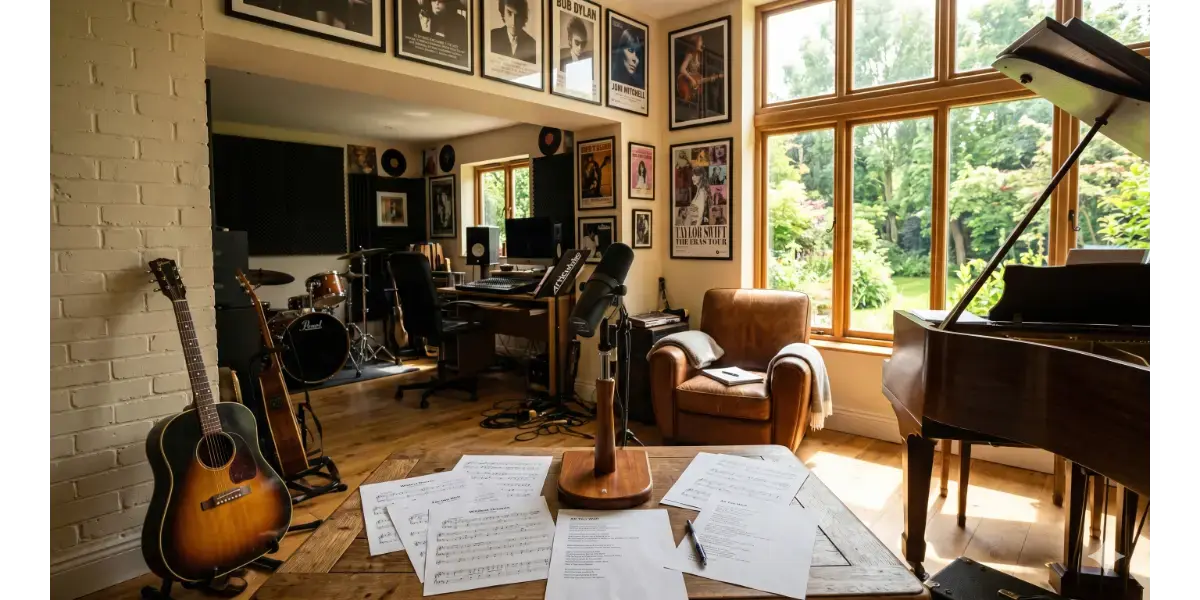
Print out your lyrics without looking at the sheet music. Treat them strictly as a dramatic monologue. Identify who the narrator is, who they are speaking to, and what their core objective is in this specific moment.
- Step 2: Map the Emotional Architecture
Identify the "turning point" of the song. A story cannot stay at the same emotional baseline. Mark where the character shifts from confusion to clarity, or from sorrow to anger. Your vocal delivery must pivot exactly at this marker.
- Step 3: Select Your Textural Tools
Decide where you will intentionally break technical rules. Choose specific words to apply a breathy tone, map out which syllables deserve a harsh consonant delivery, and plan exactly where you will introduce an intentional pause.
A Note on Authenticity: Audiences possess an incredible radar for forced emotion. Storytelling techniques should never feel like arbitrary stylistic choices; they must be the direct, organic byproduct of you genuinely feeling the stakes of the story you are telling.