
Allen Rascoe

Allen Rascoe

Teaching Experience: 25 years | Voice Teacher

10/10/2025 |2 min to read

Developed Falsetto

Share:
LinkedInFacebookX
Developed Falsetto

Developed Falsetto is a falsetto voice exercised to the point that it has singable qualities such as:

  • The ability to sustain a pitch,
  • The ability to swell and diminish in volume,
  • The ability to move up and down the scale over a pitch range of at least an octave,
  • The ability to have a recognizable vowel, and
  • The ability to have a clear tone with breath moving, but not necessarily breathy.

The falsetto voice is developed, as the muscle system responsible for producing this texture of sound (crico-thyroid) begins to engage with the muscle system responsible for producing the chest voice (arytenoid). Development happens as we use exercises with an increase in volume. Development happens as we progress from the usage of [i] and [oo] vowels to [e] and [o], then finally [ah], [ae], and [eh].

This process is like going to the gym and focusing on a specific muscle system in a workout, and then adding a bit more reps and weight as one becomes stronger. This falsetto voice uses the arytenoid muscle system to a certain extent as it must for development, but it is worked more in isolation.

Problems can arise:

  • When this developed falsetto is kept in total isolation from the chest voice, or
  • When the falsetto is developed in coordination with the chest voice, but is overdeveloped.

In number one, complete closure of the cords can never be achieved. At some point the "back" of the cords opens allowing excessive breath expenditure. Ever increasing use of volume is needed to attempt approximation. Finally, due to forcing, the cords dilate and bow out. The singer loses the voice.

In number two, there is too much weight added as overdevelopment takes place. Again, breath and volume blasting becomes the norm with the cords dilating, and the voice disappearing.


About the author

Allen Rascoe

Allen Rascoe

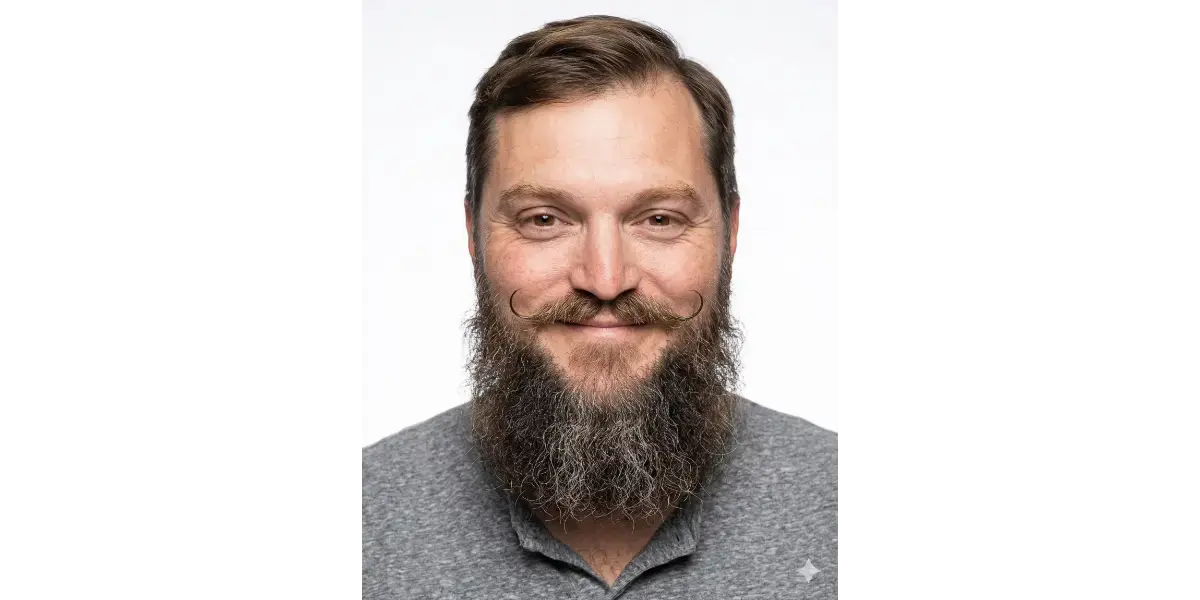
Allen has been enjoying singing since he was a little kid. He officially studied voice at ECU and USC. However, he ran into some vocal trouble. The search for healing led him to the studio of Dr. Joel Ewing, and into the world of functional vocal mechanics. Allen has explored vocal truth, and thus highly recommends the writings of E-Herbert Caesari, Cornelius Reid, and William Vennard. He is blessed to invite and accompany folks on the journey towards vocal wellbeing. The adventure awaits!

Read more